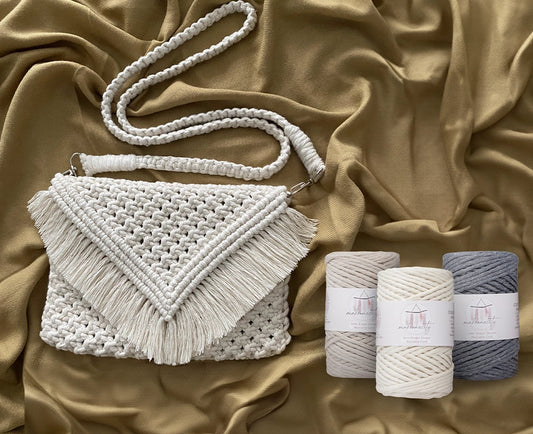

Cotton Macrame Cord Types: A Complete Guide for DIY Projects
When starting a new macrame project, one of the most important decisions is selecting from the many cotton macrame cord types available. Choosing the right cord can affect everything from the ease of knotting to the final look and durability of your creation. Whether you’re crafting delicate jewelry or large statement wall hangings, understanding the differences in cotton macrame cords ensures your DIY project results in a beautiful, long-lasting piece. This complete guide will help you confidently select the ideal cotton macrame cord types tailored to your project needs and style preferences.
Cotton Macrame Cord Types: An Overview
Common Constructions of Cotton Macrame Cord
Cotton macrame cords come in several construction types, each with unique characteristics that influence the knotting experience and finished look.
- Single-Strand Cord: Made from one continuous cotton thread, single-strand cords offer a smooth, sleek finish perfect for intricate and delicate projects where appearance matters.
- 3-Ply Twisted Cord: Consisting of three cotton strands twisted together, this cord type balances strength and flexibility, making it a versatile choice for many macrame craft styles.
- Braided Cord: Formed by weaving multiple strands tightly together, braided cords provide a thicker, more textured feel. They are durable and excellent for bold statement pieces.
Choosing the Right Construction Type
Your project’s design, size, and detail level should guide your choice. For delicate patterns or jewelry, single-strand cords can highlight refined knots, while 3-ply twisted cords work well for plant hangers and decorative wall hangings. Braided cords are best suited for larger or outdoor projects where durability is a key factor.
Key Characteristics of Cotton Macrame Cord Types
Texture and Feel
Cotton macrame cords generally have a soft, natural feel, but the texture varies based on cord type. Single-strand cords feel smooth and almost silky, enhancing ease of manipulation for detailed work. Twisted cords offer a balanced grip, which is helpful when tightening knots without slipping. Braided cords exhibit a more tactile surface that adds visual depth but may feel firmer in hand.
Durability and Strength
Strength is a major consideration for functional macrame pieces like plant hangers or swings. Braided cords tend to be the strongest due to their dense weave. 3-ply twisted cords strike a good balance for indoor decorative use, while single-strand cords are less robust but ideal for ornamental projects. Always consider cord strength relative to your specific project needs.
Popular Cotton Cord Materials and Their Benefits
Natural vs Recycled Cotton
The majority of cotton macrame cords are made from natural cotton fibers, prized for their softness and eco-friendly attributes. Recycled cotton cords use surplus or post-consumer fabric, offering sustainable options without sacrificing quality. Both types dye well and knit smoothly, though recycled cotton cords often come at a more affordable price point.
Organic and Premium Cotton Options
Organic cotton cords are grown without pesticides or synthetic fertilizers, appealing to environmentally conscious makers. Premium cotton varieties—such as Egyptian Giza cotton—feature longer fibers for enhanced softness and sheen, making them luxurious choices for special macrame projects that demand exceptional texture.
Cotton Macrame Cord Sizes: Matching Thickness to Project
Common Cord Thicknesses
Cord thickness impacts the visual weight and complexity of your project. Here are the typical sizes and their best uses:
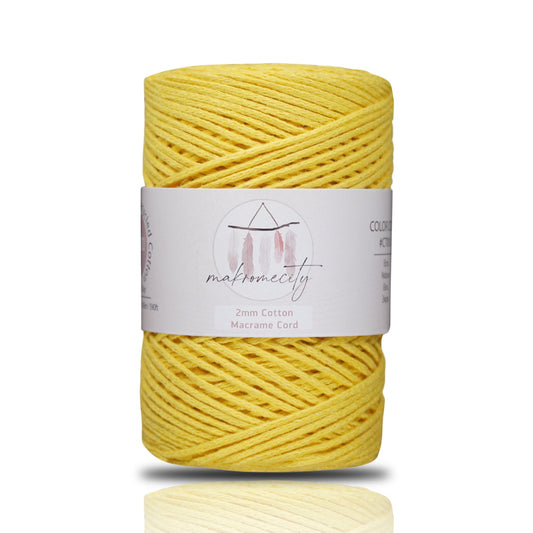
- 1.5mm to 2mm: Ideal for micro macrame projects, jewelry, and fine detailing.
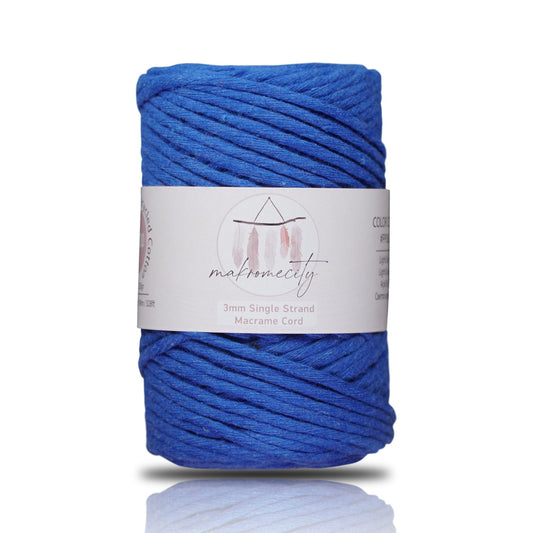
- 3mm to 4mm: The most versatile sizes, perfect for creating wall hangings, plant hangers, and decorative accessories.
- 5mm and above: Used for large-scale projects requiring durability and bold texture, such as swings, heavy wall art, or outdoor decor.
How to Choose Based on Your Project
Consider whether the project requires delicate knot work or thick, sturdy textures. For beginners, starting with a 3mm cord often strikes a good balance between manageability and visibility of knots. A thicker cord may speed up the process for larger designs, while thinner cords allow for intricate artistry but require patience.
Special Features to Consider in Cotton Macrame Cord
Dyeing and Color Options
Cotton cords are highly receptive to dyes, providing a wide variety of color choices for personalization. Natural cotton cords tend to absorb dye evenly and hold color vibrantly. Opt for pre-dyed cords if you want consistent shades or experiment with hand-dyeing to add a unique touch to your DIY pieces.
Surface Finish and Twist Direction
Some cotton cords feature a tighter twist for a firmer hand and less fraying, while others are loosely spun for softness. Twist direction (S-twist or Z-twist) can affect how the cord behaves when knotting. Experimenting with different twists can help you find a cord that best suits your knot tension and aesthetic preferences.
Where to Find Quality Cotton Macrame Cord
Reliable Sources for Craft Supplies
When sourcing cotton macrame cord types, quality and consistency matter. Look for suppliers that offer clear information on material origin, cord construction, and exact thickness. Shopping from reputable sellers ensures you get durable, true-to-description cords that perform well in your projects.
Recommended Product Example
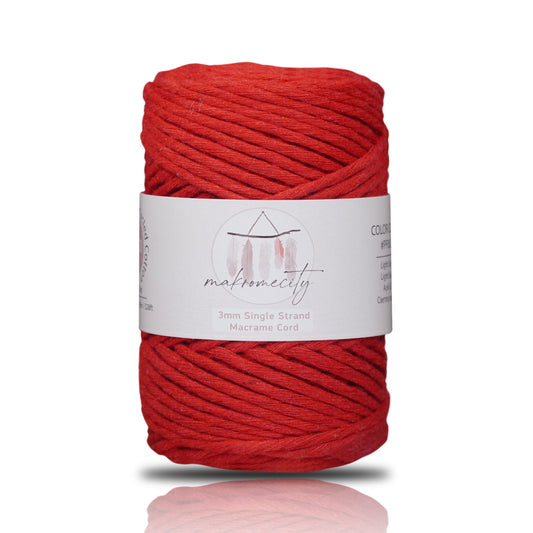
A good place to start is with a premium single twisted cord of 3mm thickness, which offers versatility for most projects. For example, you can explore a high-quality 3mm premium single twisted macrame cord to practice knotting techniques and create beautiful medium-sized wall hangings or accessories with ease.
Tips for Working with Cotton Macrame Cord Types
Preparing Your Cord
Before starting, straighten your cords by pulling them gently to remove any kinks. This helps avoid uneven tension and kinking in your finished project. If you plan to fringe the cord ends, lightly steaming or wetting the ends can assist in fluffing fibers without damaging the structure.
Caring for Finished Projects
Cotton macrame items typically require gentle care to maintain their look and texture. Avoid harsh detergents, and air dry your pieces flat to prevent shrinking or distortion. Proper care ensures your handiwork stays beautiful for years to come.
Understanding the range of cotton macrame cord types empowers you to select the perfect cord for your DIY projects. From construction style to size, texture, and source material, each element plays a key role in the success of your craft. By choosing the right cotton macrame cord types, you’ll create durable, stunning projects that reflect your creativity and skill. Ready to start knotting? Explore our selection of versatile cords like the smooth 3mm single twisted cord and bring your macrame ideas to life today!
Tags:
Previous
3mm Macrame Cord Tutorial: Beginner Projects You Can Start Today
Next
2mm Cotton Cord Wall Hanging Tutorial: A Complete Beginner's Guide
Related articles
Learn Crochet Basics Step by Step
May 12 2026