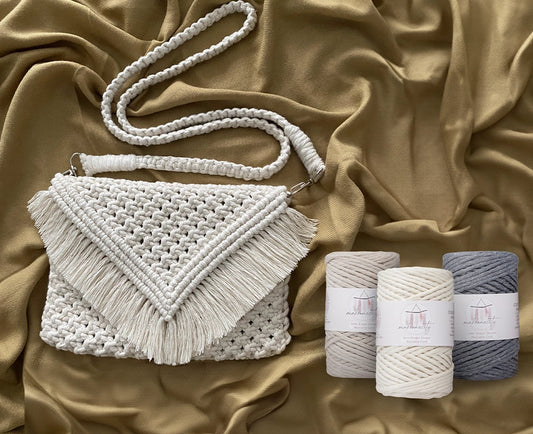

Polyester Macrame Cord Types: A Complete Guide to Choosing the Right One
Are you overwhelmed by the array of polyester macrame cord types available and unsure which one fits your DIY macrame project best? Choosing the right polyester macrame cord is crucial because it influences the durability, appearance, and ease of knotting your craft. Whether you’re making wall hangings, plant hangers, or intricate jewelry, understanding the different types of polyester cords helps you get professional-quality results every time. In this guide, we'll walk you through essential information about polyester macrame cord types, their characteristics, and how to select the best option for your unique creation.
Understanding Polyester Macrame Cord Types
What Is Polyester Macrame Cord?
Polyester macrame cords are synthetic fibers designed for crafting macrame projects. Loved for their strength and color retention, they offer an alternative to natural fibers like cotton or hemp. Their inherent durability and resistance to stretching and mildew make them excellent for both indoor and outdoor projects.
Main Varieties of Polyester Macrame Cords
Polyester cords come in several types, generally differentiated by their construction and finish. The common categories include:
- Braided Cord: Made by intertwining multiple strands in a braid, this cord offers smooth texture and excellent strength, ideal for durable projects.
- Twisted Cord: Several yarns twisted together to form a rope-like cord. It typically has a textured, rustic feel suited for more casual designs.
- Single-Strand Cord: Composed of one continuous thread, this type is thinner and best for delicate, intricate knotting.
- Polypropylene-Based Cord: Although technically different from pure polyester, polypropylene cords are often grouped due to similar synthetic benefits, especially their water resistance.
Choosing among these depends on your project’s texture, aesthetics, and functional needs. For example, braided cords often produce cleaner knots, while twisted cords provide a rugged look.
Factors to Consider When Choosing the Right Polyester Macrame Cord
Project Type and Functionality
The intended use of your macrame piece plays a huge role in selecting the cord. For heavy-duty items like plant hangers or swings, thicker braided polyester cords ensure maximum strength and longevity. In contrast, finer cords work better for wall art or jewelry where intricate detailing is key.
Durability and Outdoor Use
One of polyester’s advantages is its resistance to environmental factors, making it ideal for outdoor projects or pieces exposed to moisture. If your design will be displayed outside or near water, consider a polypropylene blend cord due to its superior water-resistant qualities.
Common Polyester Macrame Cord Sizes and Their Uses
Thin Cords (1mm–3mm)
Thin polyester cords are perfect for micro macrame, jewelry making, and detailed accessories. They provide flexibility, making intricate knots possible while maintaining durability. However, thin cords may not support heavy weight, so they're best for decorative and light-use items.
Medium Cords (4mm–6mm)
This size range is most versatile and popular for general macrame projects like wall hangings, medium-sized plant holders, and home décor. Medium cords balance ease of knotting and strength, making them beginner-friendly and suitable for diverse designs.
Thick Cords (7mm and above)
Thick polyester cords are designed for statement pieces and functional items requiring robust support, such as large swings, hammocks, or oversized wall décor. They knot quickly but may require more material and time to complete due to their bulk.
Pros and Cons of Polyester Macrame Cords
Advantages
- Durability: Resistant to weathering, mildew, and UV exposure, prolonging project lifespan.
- Colorfastness: Maintains vibrant colors even after multiple washes or long-term exposure.
- Smooth Texture: Facilitates tight, neat knots with less fraying compared to natural fibers.
- Low Stretch: Prevents distortion of macrame patterns over time.
Limitations
- Less Breathable: Synthetic fibers can feel less natural, sometimes stiffer than cotton.
- Environmental Impact: Polyester is not biodegradable, so consider this if sustainability is a priority.
- Knotting Skill: Some polyester cord types can be slippery and challenging for beginners to knot tightly.
Tips for Working with Polyester Macrame Cords
Preparing Your Cord
Before beginning your project, cut and seal polyester cord ends using a lighter or hot knife to prevent unraveling. This step is crucial since synthetic fibers tend to fray more than natural fiber cords.
Knotting Techniques
Due to polyester’s slightly slippery nature, consider tightening each knot carefully and maintain consistent tension throughout your work. Beginners can practice with smaller projects before tackling large pieces to develop control and knot precision.
Where to Buy Quality Polyester Macrame Cord
Reliable Product Options
When sourcing polyester macrame cords, quality and length options vary. For example, you can find durable and smooth cords in popular sizes such as 5mm, perfect for many home décor and accessory projects. Consider exploring options like polyester cords with practical yardage and excellent knot-holding properties to ensure you have enough material for your creations.
Buying in Bulk vs. Small Quantities
If your project requires large amounts of cord or you create frequently, buying in bulk is cost-effective. For occasional crafters, smaller bundles allow sampling different colors and cord types without significant upfront investment.
Conclusion: Mastering Your Macrame with the Right Polyester Cord
Understanding the differences between polyester macrame cord types empowers you to select the ideal cord for your project’s needs—from texture and strength to size and finish. Whether you choose braided, twisted, or single-strand polyester cords, considering your project’s purpose and environment ensures your macrame piece is beautiful and durable. Ready to get started? Explore various polyester macrame cords and find the right one to elevate your DIY creations today.
Tags:
Zurück
Polyester Macrame Cord Properties: How to Choose the Best for Crafts
Weiter
Bohemian Wall Hanging Tutorial: A Step-by-Step Guide with Polyester Cord
Related articles
Learn Crochet Basics Step by Step
May 12 2026